
What Happens If You Don't Change Your Car's Oil?
The importance of changing your car's oil regularly cannot be understated. Oil acts as a vital lubricant for your vehicle's engine, ensuring smooth performance and longevity. Neglecting regular oil changes can have dire consequences, leading to immediate and long-term engine damage. This article explores these consequences, underscoring the necessity of oil maintenance. Through a detailed examination, we will uncover the potential perils of disregarding this fundamental car care task by visiting a local car mechanic.
Lubricate Engine Parts
Engine parts are in constant motion when a car is operational, and oil is essential for reducing friction between these components. Without adequate lubrication, metal parts can grind against one another, leading to increased wear and potential failure. Oil forms a protective barrier between these elements, allowing them to operate efficiently and without damage. Regular oil changes ensure that this lubrication is up to par, safeguarding engine parts from unnecessary abrasion. Continuous neglect of oil changes can lead to engine seizure, a severe condition that might necessitate costly repairs.
Cool Engine Components
Oil plays a crucial role in cooling engine components by dissipating heat generated during operation. As the oil circulates, it absorbs heat from critical engine parts, preventing them from overheating. This cooling effect complements the engine's primary cooling system, which uses coolant. When oil becomes old or low in volume, its ability to cool deteriorates, increasing the risk of overheating and consequential damage. An engine that consistently operates at high temperatures can suffer from warped parts, decreased efficiency, and eventual failure.
Remove Engine Wear Particles
As cars operate, small particles and debris are generated from worn-out parts. These contaminants can circulate within the engine, causing degradation and affecting performance. Fresh oil helps to collect and suspend these particles, removing them in subsequent oil changes. Without regular changes, the oil becomes saturated with these particles, leading to clogs and sludge formation. The buildup of sludge hampers engine performance and can significantly reduce the vehicle's lifespan.
Improve Fuel Efficiency
Clean oil contributes to better fuel efficiency by ensuring that the engine operates smoothly and without obstructions. When the engine runs efficiently, it requires less fuel to deliver the desired power output. Old or contaminated oil creates drag on engine components, making them work harder and consume more fuel. Regular oil changes optimize fuel consumption, translating to cost savings over time. Moreover, maintaining good fuel efficiency is not only economical but also eco-friendly, reducing carbon emissions associated with inefficient engine performance.
Prolong Engine Life
Regular oil maintenance can drastically extend the life of a vehicle's engine. Clean oil protects engine components from wear and tear, reducing the frequency of breakdowns. An engine that runs smoothly experiences less stress, allowing it to last longer without major issues. In contrast, neglecting oil changes can accelerate engine aging, resulting in frequent repairs and eventual engine replacement. Vehicle owners can maximize the lifespan of their car engines through consistent oil maintenance, safeguarding their investment.
Increase Engine Friction
Without clean and adequate levels of oil, engine components experience excessive friction. This increased friction can lead to rapid wear and tear, diminishing the engine's performance capabilities. The heightened friction generates more heat, exacerbating engine strain and potentially leading to overheating. Drivers may notice a drop in engine efficiency and performance as a direct result of increased friction. Over time, the excessive wear can cause critical engine failures, requiring extensive repairs.
Overheat the Engine
Old or inadequate oil contributes significantly to engine overheating. As old oil loses its viscosity, its ability to dissipate heat effectively diminishes. Consequently, engines become more susceptible to overheating, even under normal operating conditions. An overheated engine faces risks such as warped components, blown gaskets, and permanent damage. Regular oil changes prevent these overheating incidents by ensuring that the oil retains its heat-absorbing properties.
Decrease Engine Performance
Dirty or insufficient oil can quickly lead to diminished engine performance. Vehicle owners may notice a sluggish response when accelerating, reduced power output, or engine hesitation. The contaminants within aged oil can obstruct vital pathways, affecting the efficient flow of oil and energy in the engine. This obstruction hampers performance and can make driving unpleasant and unsafe. To maintain optimal performance levels, it's essential to adhere to regular oil change intervals as recommended by automotive experts and manufacturers.
Maintain Your Vehicle Warranty
Most car warranties require proof of regular maintenance, including oil changes, as a condition for validity. Failing to keep accurate maintenance records, particularly for oil changes, can void warranty coverage. Consequently, vehicle owners are left to shoulder repair costs that would otherwise be covered under warranty. Warranty providers mandate stringent adherence to recommended maintenance schedules to ensure vehicle reliability. Regular oil changes by a local car mechanic enable owners to maintain warranty protections, providing a safety net for potential repair expenses.
Detect Oil Smells Inside the Car
A noticeable smell of oil inside the cabin is often a sign of leaks or overheated oil. This odor arises when oil burns off the engine, indicating possible oil leakage onto hotter components. Beyond being unpleasant, this smell signals potential danger, as leaking oil can lead to engine fires or failures. Timely oil changes by a local car mechanic can prevent leaks and reduce the burning of old oil deposits. Monitoring for oil smells ensures early intervention, preventing risk to both vehicle and occupants.
Perform Regular Oil Level Checks
Conducting regular checks of your oil level with your local car mechanic is fundamental to ensuring optimal engine health. By routinely examining the dipstick, vehicle owners can monitor oil quantity and spot potential issues early. Low oil levels should be addressed promptly to prevent engine damage and ensure efficient lubrication. Maintaining an adequate oil level helps avert problems related to overheating and wear. It's a straightforward practice that guards against potential issues and prolongs engine life.
Follow the Manufacturer's Recommendations
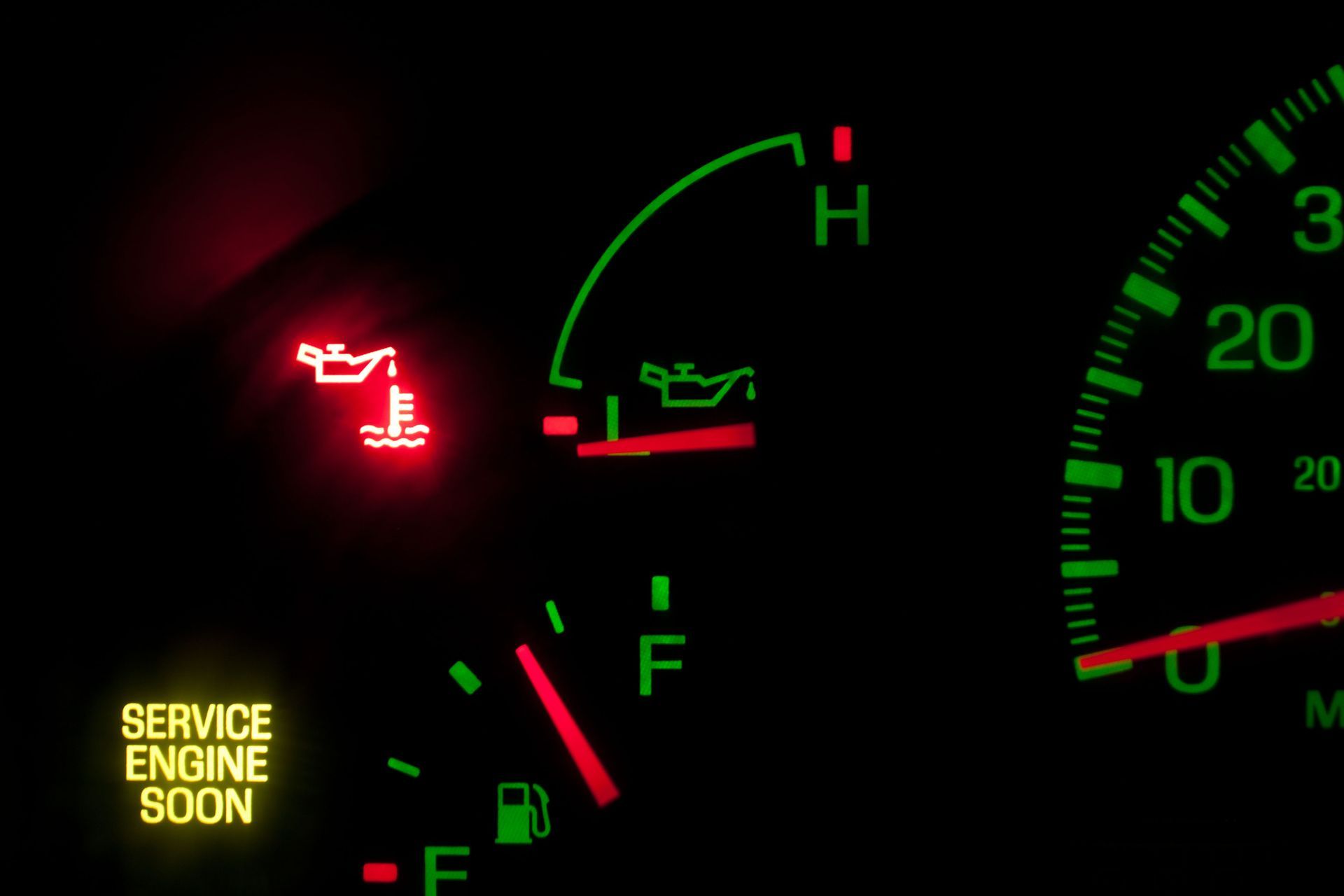
Adhering to the manufacturer's recommended oil change schedule is crucial for maintaining engine performance. These guidelines are designed based on extensive testing and tailored specifically for each vehicle's needs. According to findings from the AAA, if you do not log heavy mileage on your automobile, a majority of car manufacturers still advise scheduling an oil change service every 12 months, regardless of whether your dashboard alert has activated. Following manufacturer recommendations ensures compatibility and optimal performance, extending the vehicle's lifespan. Owners should consult their vehicle manuals for guidance, customizing maintenance to their driving habits and environmental conditions.
In conclusion, regular oil changes are a fundamental aspect of car maintenance, critical to ensuring engine health and performance. Adhering to recommended oil change intervals guards against immediate and long-term engine damage, enhancing reliability and longevity. By following the outlined best practices, car owners can enjoy a smoother ride, increased fuel efficiency, and enhanced resale value. Proactive oil maintenance prevents costly repairs and safeguards investments, reinforcing the necessity of systematic oil care. Drivers are encouraged to prioritize regular oil changes, securing both their vehicle's future and their peace of mind. To ensure your vehicle stays running in peak condition, you should book your next appointment with a mechanic. We invite you to bring your vehicle to a local car mechanic for comprehensive automotive care. When you require professional diagnostic work, visiting a mechanic can help you quickly identify hidden problems. Seeking the guidance of a local car mechanic is the best way to handle scheduled maintenance. Our team features a skilled local car mechanic ready to handle your electronic diagnostics and mechanical repairs. Do not delay your next state inspection; see a mechanic to stay compliant on the road. For superior suspension and brake repair, let a mechanic examine your system. Contact Collinsworth Car Care today to schedule your automotive service with an expert local car mechanic.

Share On: